

Disease-risk illegal meat and plant products skip border checks at Port of Dover
4th March 2026
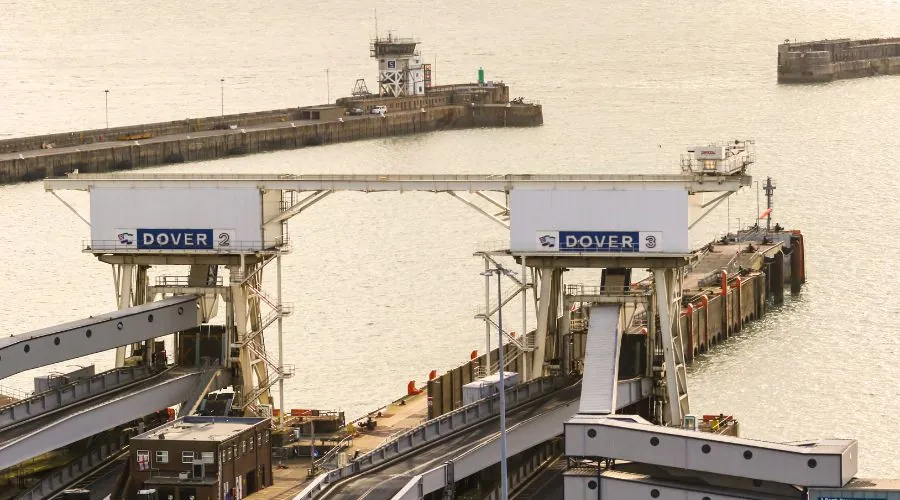
There are widespread concerns among the farming and horticultural sectors that limited biosecurity checks at the Port of Dover may pose severe risks to UK livestock and plants.
2025 saw outbreaks of African swine fever and foot-and-mouth disease in Europe, as well as recent crop and plant disease outbreaks, such as those caused by the Xylella bacteria.
The EFRA Committee has published data highlighting the significant number of consignments of flagged meat and plant product imports that are passing through the Port of Dover without being checked at the border control post for dangerous diseases.
It comes amid growing evidence that, due to a reputation of inadequate controls at the Port of Dover, criminal gangs are bringing products into Britain that would not legally be sold on the continent.
The document, provided by DEFRA, shows the percentage of consignments of meat and plant products that were taken, after being flagged, from Dover to the sole border control post in Sevington, located 22 miles from the port, in just three sample months.
Comparisons show that in November 2025, 18% of flagged consignments of animal origin, such as meat or dairy, were not taken to Sevington despite being directed to by the digital systems once they entered Dover and therefore were unchecked by BCP officials. This was up from 8% in August 2025.
DEFRA refers to these non-attendance incidents as “drive-bys”. A more comprehensive overview of consignment checks per month since Sevington began operating is not possible due to gaps in data. The data is collected by Ashford Port Health Authority, which operates Sevington.
‘Dysfunctional system’
In September the committee published a report highlighting how the Sevington facility was inadequate because it relied on drivers acting in good faith by taking their consignments there for checks, with very little risk of enforcement if they failed to do so.
It has become clear that many flout this requirement and continue driving to their delivery destination, and there remains the opportunity to unload consignments prior to presenting at Sevington itself.

EFRA Committee chair Alistair Carmichael MP said that the new evidence from DEFRA paints a picture of a “dysfunctional” system.
“Unchecked meat and plant products carrying potentially devastating diseases are being let in through the front door. The risks to our livestock and plants are grave and very real. Both the horticultural and livestock sectors see this as a disaster waiting to happen.
“The government has put all its eggs in the Sevington basket, and it needs to make this system work at least until a new system can be agreed with the EU.
“A source of both hope and frustration appears in the very last paragraph. It suggests that when they had a go chasing up on drivers, the drive-bys fell and more checks were carried out. But that was apparently only a pilot and only for plant products.
“In other words, the government won’t commit the resources to keep this going and has not so far expanded it for meat and dairy imports. How terribly short-sighted that will look if another outbreak of foot-and-mouth arises from this farce.”
The Sevington site was established post-Brexit as a temporary solution to the need to carry out checks on products imported from the EU. These checks are not carried out at the Port of Dover due to the fate of Bastion Point BCP, located at the port but not in use, still being unconfirmed.
The system is expected to be reformed again under a UK-EU deal regarding sanitary and phytosanitary (SPS) checks, which the government is negotiating with European counterparts this year. It is unclear what the future of the Sevington facility will be under a new border check arrangement.
During an evidence session held on 3rd March, DEFRA officials told the Committee that follow-up checks with vehicles and consignments that do not attend Sevington are carried out. However, they did not elaborate on how frequently this happens or how they are carried out, as they do not have data.
READ MORE: Record 34t of illegal meat seized at Port of Dover in January 2026
READ MORE: Surge in illegal meat imports fuels food safety fears
Read more livestock news.
